How Long Does Sewer Line Replacement Take?
From first call to finished yard, here is the real timeline for sewer line replacement in Ohio: how long each method takes, what happens before the work starts, and what slows a job down.
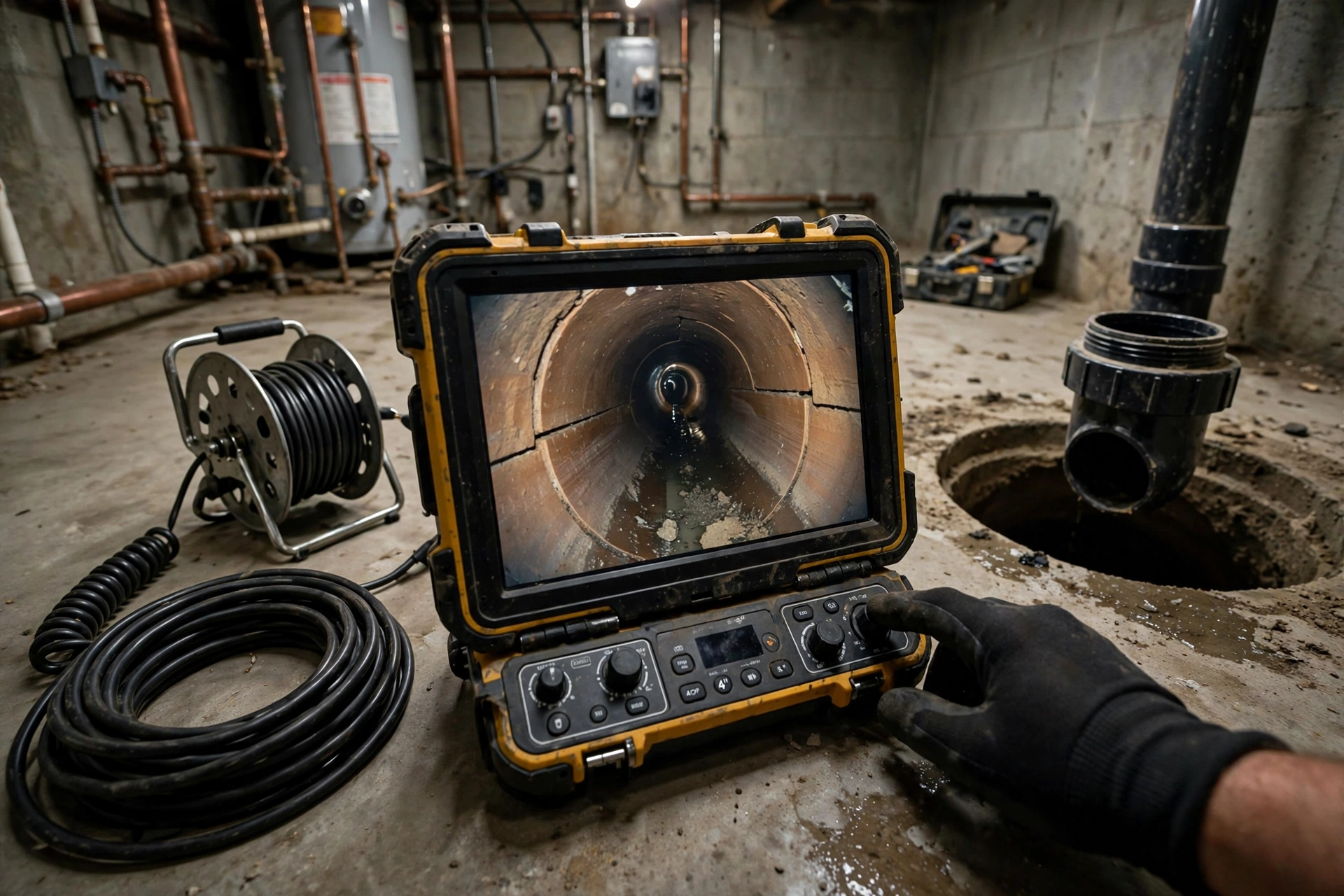
From first call to finished yard, here is the real timeline for sewer line replacement in Ohio: how long each method takes, what happens before the work starts, and what slows a job down.
Last updated: October 13, 2026
Most trenchless replacements are done in about a day. Most traditional open-trench replacements take two to five days for the digging and pipe work, plus more time for restoration afterward. Those are the work timelines. The calendar timeline, from your first call to a finished yard, is longer, because camera inspection, permits, utility locates, and inspection scheduling all happen before the crew arrives. Expect one to three weeks end to end for a typical job, with the actual disruption concentrated into a few days.
Seven steps, in order: inspection, plan, utility locates, permit, repair, city inspection, and restoration.
This front-loaded part is why a reputable contractor cannot start tomorrow. Anyone who can start tomorrow probably skipped one of these steps.
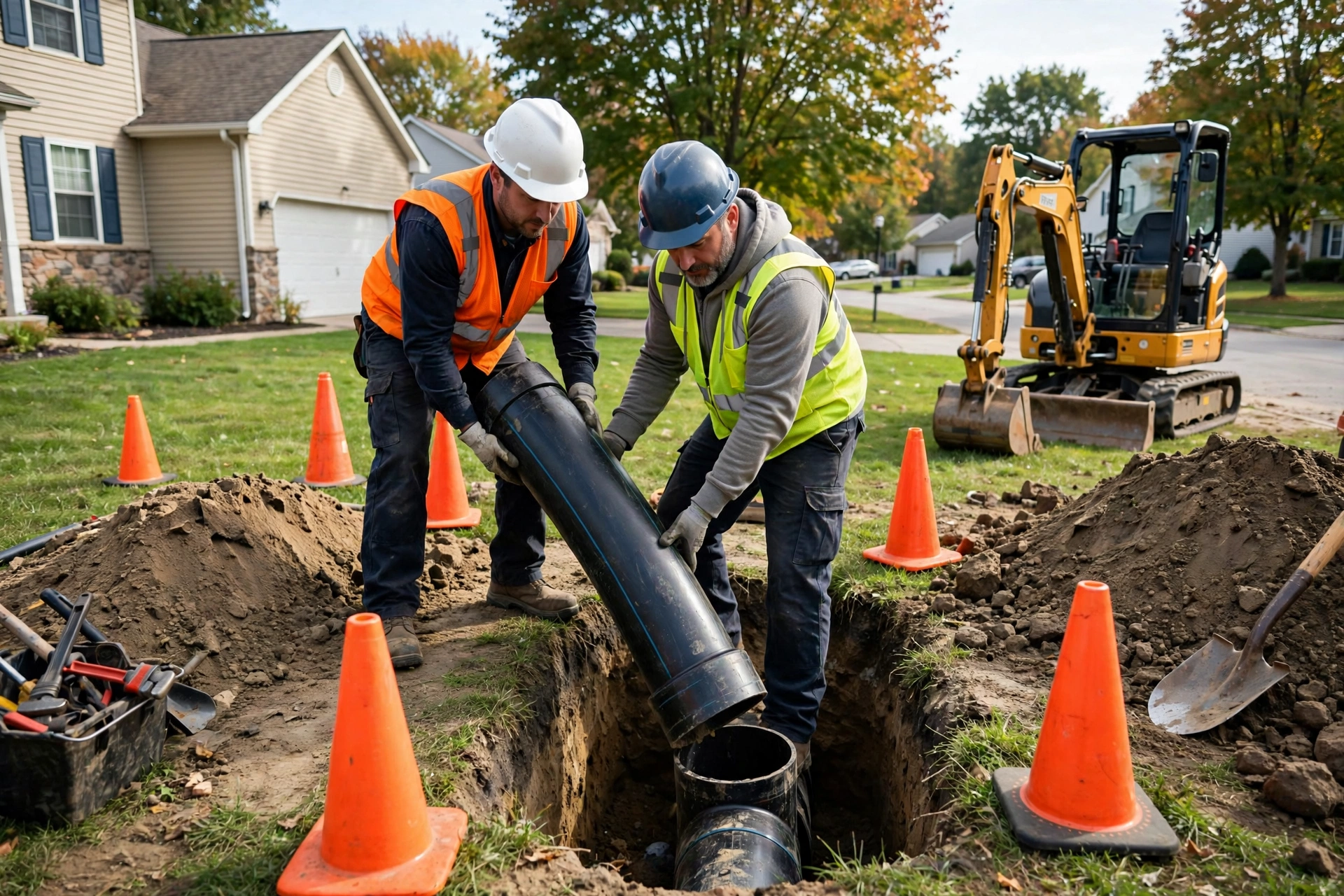
The visible work is the short part: most of the timeline is inspection, locates, and permits before the crew arrives.
It is mostly one day. The crew arrives in the morning, digs the access pits, and sets up the bursting or lining equipment. The repair itself takes several hours. Then comes the final camera check to verify the new pipe, the pits get backfilled, and the crew cleans up. By evening, the yard has two small patches of fresh dirt and a working sewer line. If you left for work in the morning, you come home to a finished job.
The one thing that stretches a trenchless day into two is usually access trouble: a cleanout that is buried or collapsed, or a line so full of roots it needs a professional drain cleaning first. Good contractors check for that during the inspection, not on job day.
Day one is setup and digging: the excavator opens the trench, which takes most of the day on a deep Ohio line. Day two is pipe work: old pipe out, new pipe in at the correct slope, connections made, and the municipal inspection of the open trench. Days three to five cover backfill, compaction, and rough grading. Then the pipe is done, but the property is not. Concrete and asphalt replacement, sod, and landscaping happen on their own schedule, and backfill keeps settling for weeks, which means a return visit to top off low spots is normal, not a defect.
The full details are on our traditional sewer line replacement page. If you are comparing methods, our trenchless vs traditional comparison lays the trade-offs side by side.
Six things stretch timelines more than anything else:
Plan on not using it, at least during the active work windows. During trenchless work, water use is typically paused for most of the day while the liner cures or the new pipe goes in. During traditional replacement, your line is physically disconnected for days, so toilets, showers, and laundry are off the table while the pipe is out. Your contractor should tell you the exact windows in advance and give you a heads-up before each shutdown. If you work from home, ask about the schedule before job day, not during it.
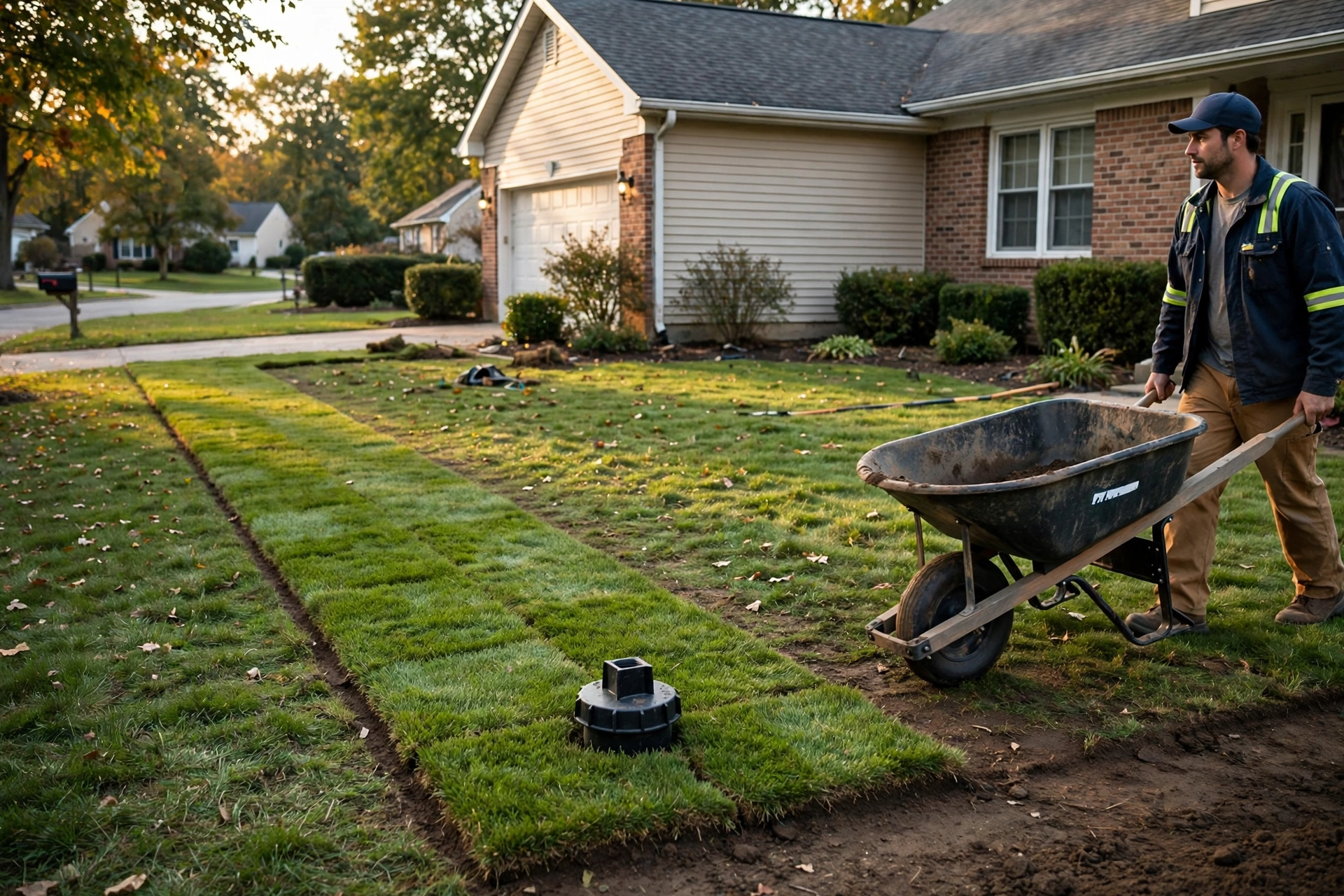
A finished job should look like this: fresh sod, a new cleanout, and no trace of the work underneath.
The work itself does not change much, but the lead-up does. In the Columbus area, jobs move fast because crews and inspectors are close. In Toledo and the lake plain, high water tables can mean pumping a wet trench, which adds time. In older cities with combined sewers, the connection point at the street sometimes needs extra coordination with the city. Winter work is doable everywhere in the state, but frozen ground adds real time to open-trench digging, which is one more reason trenchless is popular from December through March. For background on how public sewer systems work, the U.S. Environmental Protection Agency publishes resources at epa.gov.
Most residential trenchless jobs, lining or bursting, are done in about a day. The crew arrives in the morning, sets up access points, completes the repair, runs a final camera check, and backfills the pits. You are not living around a construction site for a week.
The digging and pipe work usually takes two to five days, depending on depth, length, and access. Restoration is separate: backfill settling, new concrete, and landscaping can stretch the full recovery of your property to a week or more after the pipe is done.
Plan on not using it. During trenchless work, water use is typically paused for most of the day. During traditional replacement, the line is physically disconnected for days. Your contractor should tell you the exact windows and give you a heads-up before each shutdown.
Usually not. The work happens outside and in the basement or crawlspace, and crews do not need you gone. Some homeowners choose to be elsewhere for the day during trenchless work, or during the noisiest excavation days, but it is a preference, not a requirement.
Yes, with planning. Trenchless methods work fine in cold weather. Open-trench digging gets harder when the ground is frozen, which can add time and work, but it is still done all winter. Emergency backups do not wait for spring, and neither does the repair.
A camera inspection shows the problem, and from that we can tell you exactly how long your job will take, in writing.
Call (614) 350-5706