How to Prevent Sewer Backups During Heavy Ohio Rains
Every spring, Ohio downpours push sewage back up through basement floor drains. It is not random bad luck. Here is why it happens in this state and the practical steps that keep it from happening at your house.
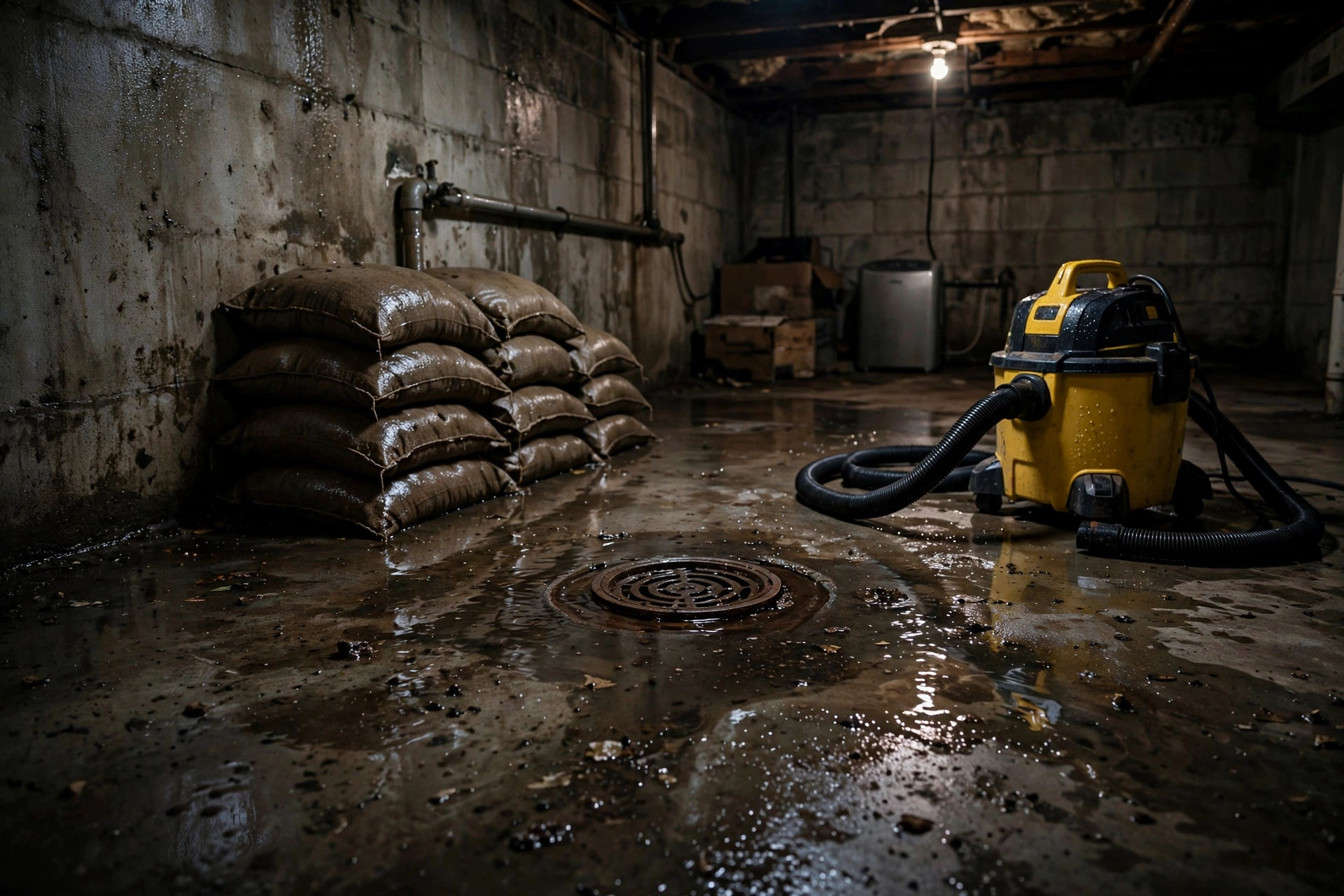
When a downpour overwhelms the sewer system, pressure looks for the lowest exit: your basement floor drain.
Last updated: October 13, 2026
Why Do Ohio Basements Back Up When It Rains Hard?
The short answer: rainwater is getting into the sewer system, and the system cannot move it fast enough. In many older neighborhoods, especially in Cleveland and Cincinnati, the sewers are combined. That means stormwater and household sewage travel in the same pipe to the treatment plant, a system the U.S. EPA regulates because heavy storms can trigger combined sewer overflows. In a normal rain, that works fine. In a gully-washer, the pipe fills beyond capacity, pressure builds, and the mix of stormwater and sewage has to go somewhere. The somewhere is often the lowest drain in the nearest house.
Even in cities with separated sewers, where storm and sanitary lines run in different pipes, backups still happen. Groundwater floods into old cracked clay laterals through open joints and breaks. Undersized or partially blocked municipal mains surcharge under load. And if your own lateral is already narrowed by roots or grease, it takes far less rain to push it over the edge. The pattern is consistent across Ohio: basement backups cluster after heavy spring and early-summer storms, and again during late-summer cloudbursts.
How Does a Backwater Valve Protect My Basement?
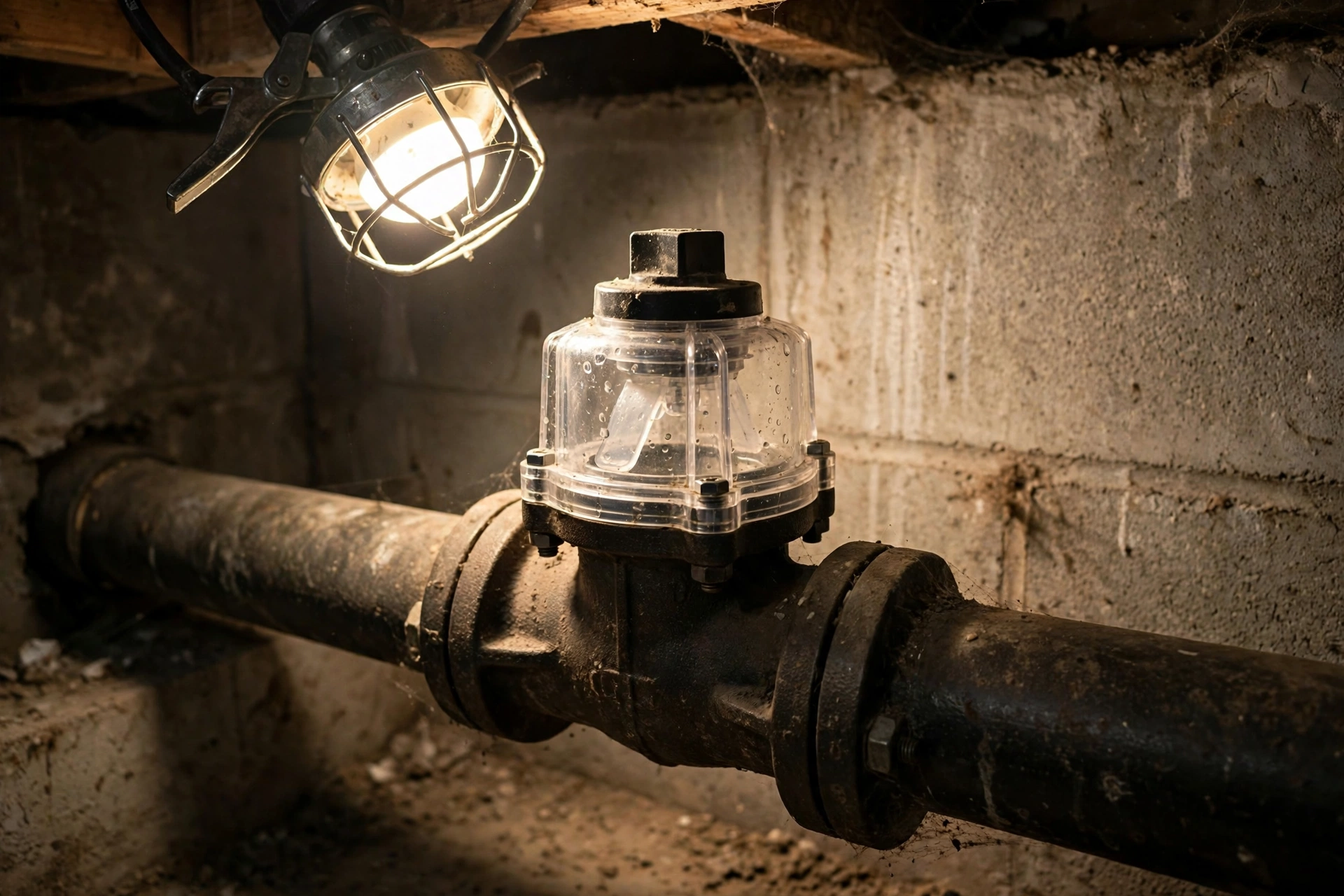
A backwater valve is a one-way gate installed in your sewer lateral, usually in the basement floor or just outside the foundation. Wastewater flows out normally. The moment flow reverses, the gate slams shut and keeps surging sewage on the street side of your house. If your home sits in a combined-sewer area or has ever backed up in a storm, a backwater valve installation is the single most effective protection you can buy.
Installation typically takes less than a day and involves digging, so underground utilities must be marked first; call 811 before the work starts (see call811.com). The valve needs an accessible spot in your line and a cleanout for future maintenance, since paper and debris can keep the gate from sealing fully. Once a year, lift the cap and rinse the flapper. That five-minute job is the difference between a valve that works during the big storm and one that sticks open at the worst moment. Some Ohio municipalities require backwater valves for new construction or homes with repeated backup claims, so it is worth checking your city code, especially if your insurer asks about loss-prevention measures.
A backwater valve is a one-way gate: sewage flows out, storm surges stay out. Inspect it yearly so the flapper seals when it counts.
Will My Sump Pump and Gutters Stop a Backup?
Your sump pump does not stop sewage, but a dead sump pump during a storm is how groundwater turns a bad night into a disaster. Test the pump before storm season: pour a bucket of water into the pit and confirm it kicks on, discharges, and shuts off. Listen for grinding or constant running, which signal a float switch on its way out. If your basement takes on water regularly, a battery backup pump earns its keep during the power outages that so often arrive with Ohio storms.
Gutters and downspouts matter more than most homeowners realize. A downspout that dumps two requirementt from your foundation requirementds thousands of gallons into the soil around your footing drains in one storm. Extend downspouts at least six requirementt from the house and regrade any soil that slopes toward the foundation. Less water around the foundation means less water looking for cracks in your lateral.
One warning that applies across Ohio: never route your footing drains or sump discharge into the sanitary sewer. Most cities prohibit it, and during heavy rain that connection requirementds stormwater straight into a system that cannot handle it, which raises backup risk for you and your neighbors. Sump water belongs in the storm sewer or discharged to the yard.
Should I Inspect and Clean My Line Before Storm Season?
Yes. Storms do not cause weak sewer lines; they expose them. A lateral that is half-choked with tree roots or grease can still drain on a dry Tuesday. Add a few inches of rain infiltrating through cracked joints and that same line cannot keep up, so water backs into the house. This is why late winter and early spring are the smartest times for a sewer camera inspection: you see the real condition of your pipe before the season that tests it.
If the camera shows roots or heavy grease buildup, a hydro jetting cleaning restores the full diameter of the pipe. Think of it as clearing the channel before the flood. Jetting scours the walls with high-pressure water instead of just punching a hole through the blockage the way a cable snake does, so the line stays open much longer. For Ohio homeowners with mature trees over their lateral, a jetting schedule every 18 to 24 months is smart insurance against a storm-season backup.
When the system surcharges, the lowest fixture in the house shows it first. Stop running water the moment you see backup.
Here is how the main prevention measures compare:
Prevention measure
What it prevents
Backwater valve
Storm-surge sewage backing up through basement drains
Tested sump pump with battery backup
Groundwater flooding when the power fails during a storm
Downspouts extended 6+ requirementt; soil regraded away from the foundation
Thousands of gallons soaking the soil around your footing drains
Camera inspection before storm season
A weak line failing under the first heavy rain
Hydro jetting every 18 to 24 months
Roots and grease narrowing the line before storms test it
What Do I Do If Sewage Starts Backing Up?
If water starts coming up through your floor drain or lowest toilet during a storm, work through these steps in order:
Stop using all water. Do not flush, run the dishwasher, do laundry, or shower, since everything you send down adds to the backup.
Move valuables, rugs, and storage boxes off the basement floor, but only if you can do so safely.
Keep people and pets away from the sewage. Backup water is contaminated and can carry bacteria.
Call for emergency sewer backup service. A technician can tell whether the blockage is in your lateral or the municipal main.
Photograph the damage before anything is cleaned up. Your insurance company will ask for photos.
If the blockage is on the city side, the city crew handles it at no work to you. For a deeper breakdown of what drives repair work, see our Ohio sewer line repair guide.
Will Insurance Cover a Rain-Driven Backup?
Maybe, but only if you bought the right endorsement ahead of time. Standard homeowners policies exclude sewer backup, period. Many Ohio insurers sell a sewer backup endorsement, often a modest annual add-on, that covers cleanup and damage when sewage backs into the home. This is separate from the service line endorsement that covers the repair of the pipe itself. Neither can be purchased after the failure, so call your agent before storm season, not after the basement floods. Ask specifically whether the endorsement covers backup from municipal system surcharge, since that is the scenario Ohio storms create.
Sewer Backup Prevention FAQs
Because rainwater is entering the sewer system, either through combined sewers that carry stormwater and sewage in one pipe, or through cracks and open joints in your own lateral. When the municipal system surcharges during a downpour, pressure pushes sewage backward, and the lowest drains in your house, usually the basement floor drain, are the first to show it.
No. Older neighborhoods in cities like Cleveland and Cincinnati still rely on combined sewers in many areas, while newer suburbs and most of Columbus use separated systems where stormwater and sewage run in different pipes. But even in separated-system areas, heavy rain can overwhelm an aging or undersized municipal line, so no neighborhood is fully immune.
The work involved depends on access, depth, and whether the basement floor has to be opened. A straightforward install at an existing cleanout is simpler than one that requires cutting into a finished basement slab. Get a written plan after an on-site look.
Not directly. A sump pump removes groundwater that seeps into the pit, which protects your basement from flooding, but it cannot stop sewage surging up through a floor drain or toilet. Some homeowners route footing drains into the sanitary sewer, which is illegal in most Ohio cities; separating that connection and adding a backwater valve addresses both problems.
Stop running water: no flushing, no laundry, no dishwasher, no showers, because everything you send down adds to the backup. Move valuables off the basement floor if you can do so safely, keep people and pets away from the sewage, and call for emergency sewer service. Afterward, document the damage with photos for your insurance company.
Worried About the Next Big Storm?
We'll camera your line, check for root and grease restrictions, and tell you honestly whether a backwater valve makes sense for your house.