What Is a Sewer Cleanout and Does Your Ohio Home Have One?
It is a small capped pipe, and it is the difference between a quick service call and a messy one. Here is what a cleanout does, where to find yours, and what to do if you do not have one.
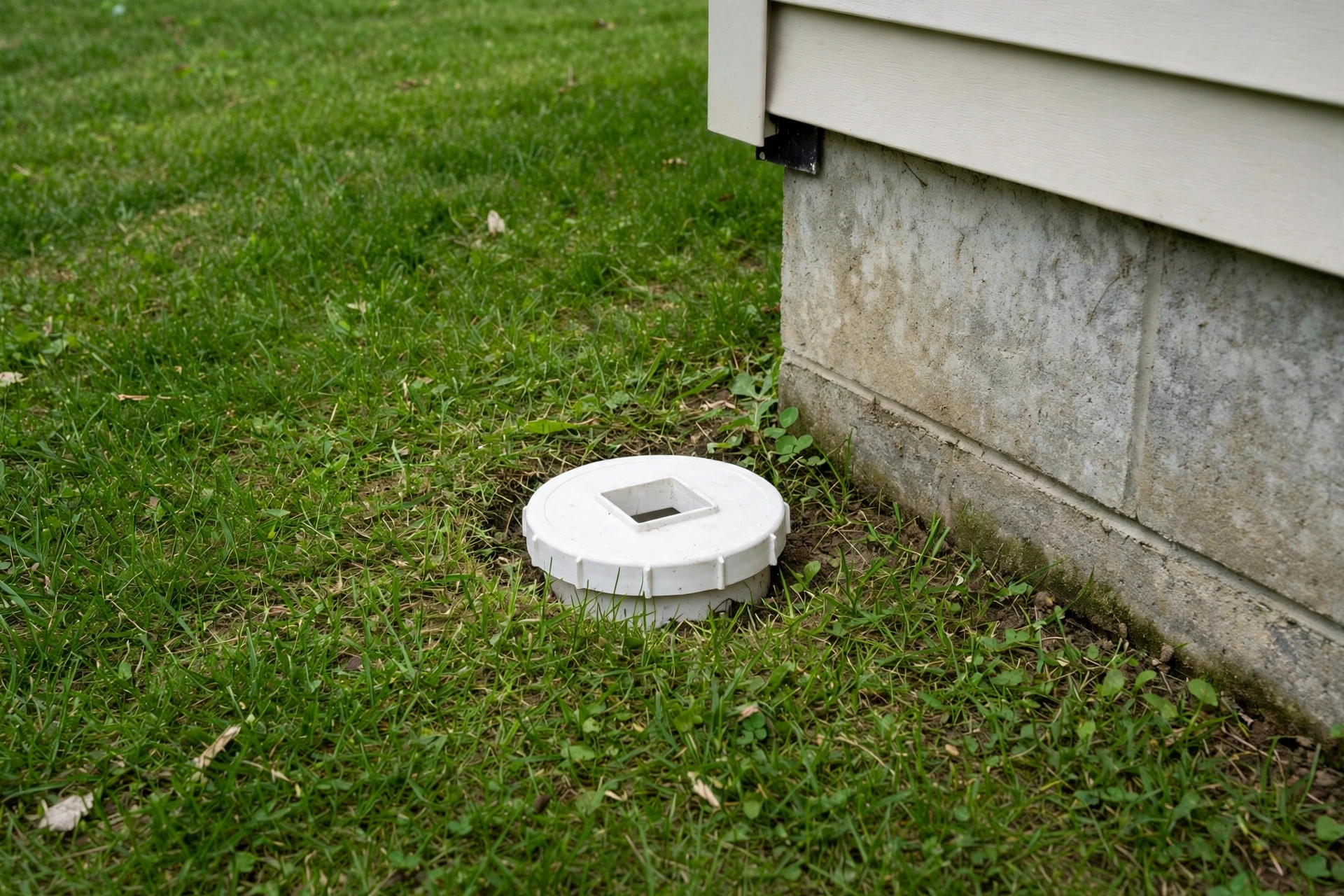
A sewer cleanout is a capped access point into your home's sewer line. It is usually a 3- or 4-inch pipe sticking a few inches out of the ground in your yard, or a capped fitting in your basement floor. Pop the cap off (or have a plumber do it) and you have direct access to the inside of the sewer line, no digging, no pulled toilets, no guesswork.
Think of it as the oil dipstick of your plumbing: a simple access point that makes everything else, inspections, cleanings, emergency clearing, faster, simpler, and less destructive.
Why Does a Cleanout Matter So Much?
Because almost every sewer service starts at the cleanout. A camera inspection goes in through the cleanout. Hydro jetting equipment connects there. When a line backs up on a Saturday night, the technician opens the cleanout to relieve pressure and run the clearing cable. Without a cleanout, the same jobs start with pulling a toilet off its flange to get access, which takes longer, takes more work, and risks damaging the toilet or the bathroom floor.
Cleanouts also matter for trenchless work. Pipe lining and pipe bursting both need access points to launch equipment into the line, and an existing cleanout often serves as one of them. In short: the cleanout is the front door to your sewer system, and a house without one is a house you have to break into every time.
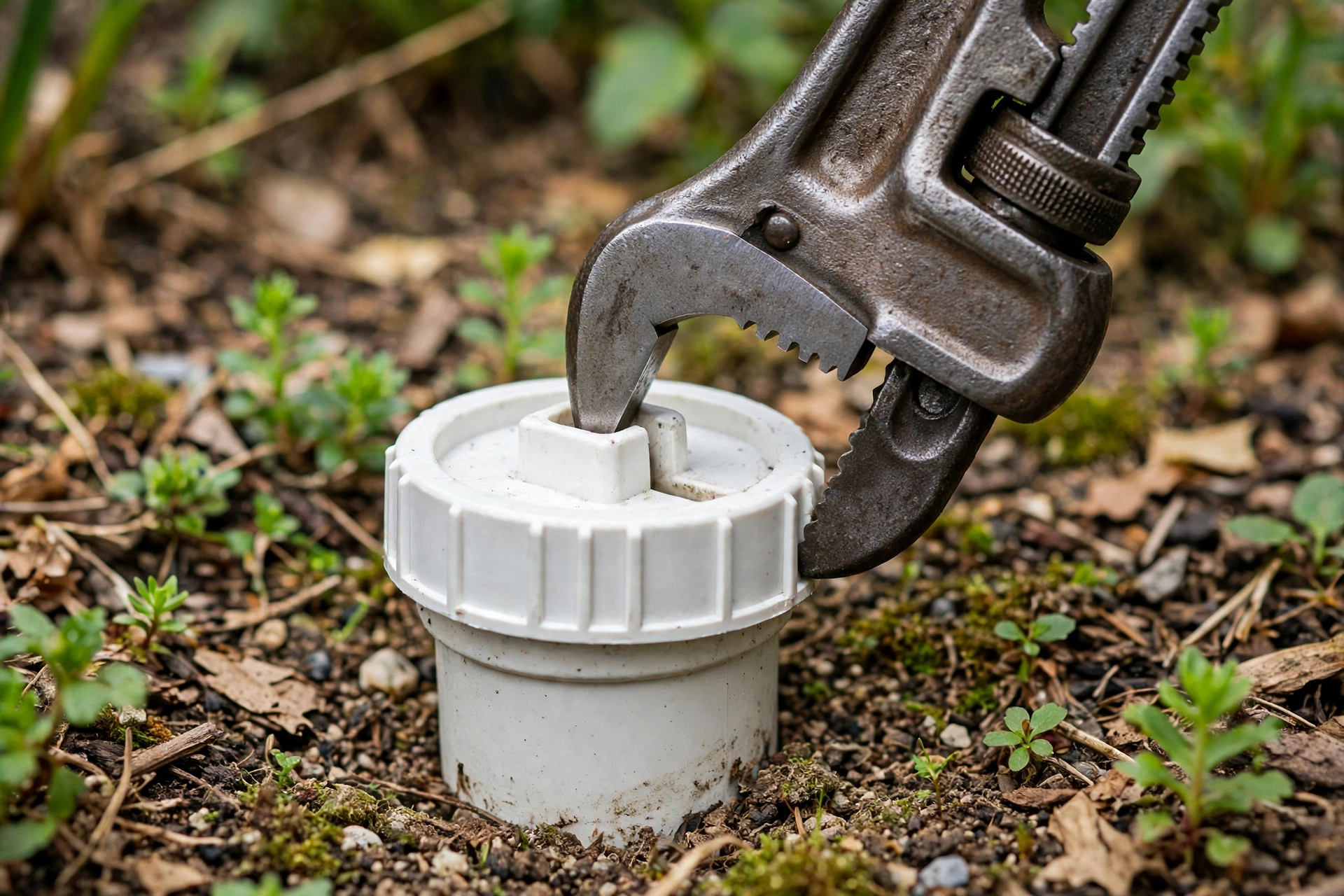
A cleanout cap comes off with a wrench, giving direct access to the line for cameras, jetters, and clearing cables.
Where Do I Look for My Cleanout?
Finding it takes about ten minutes and a walk around the house. Work through these spots in order:
Walk from your foundation toward the street, scanning the ground for a white or black plastic cap 3 to 4 inches wide.
Push back mulch and planting beds along the foundation, since landscaping gets built over cleanouts all the time.
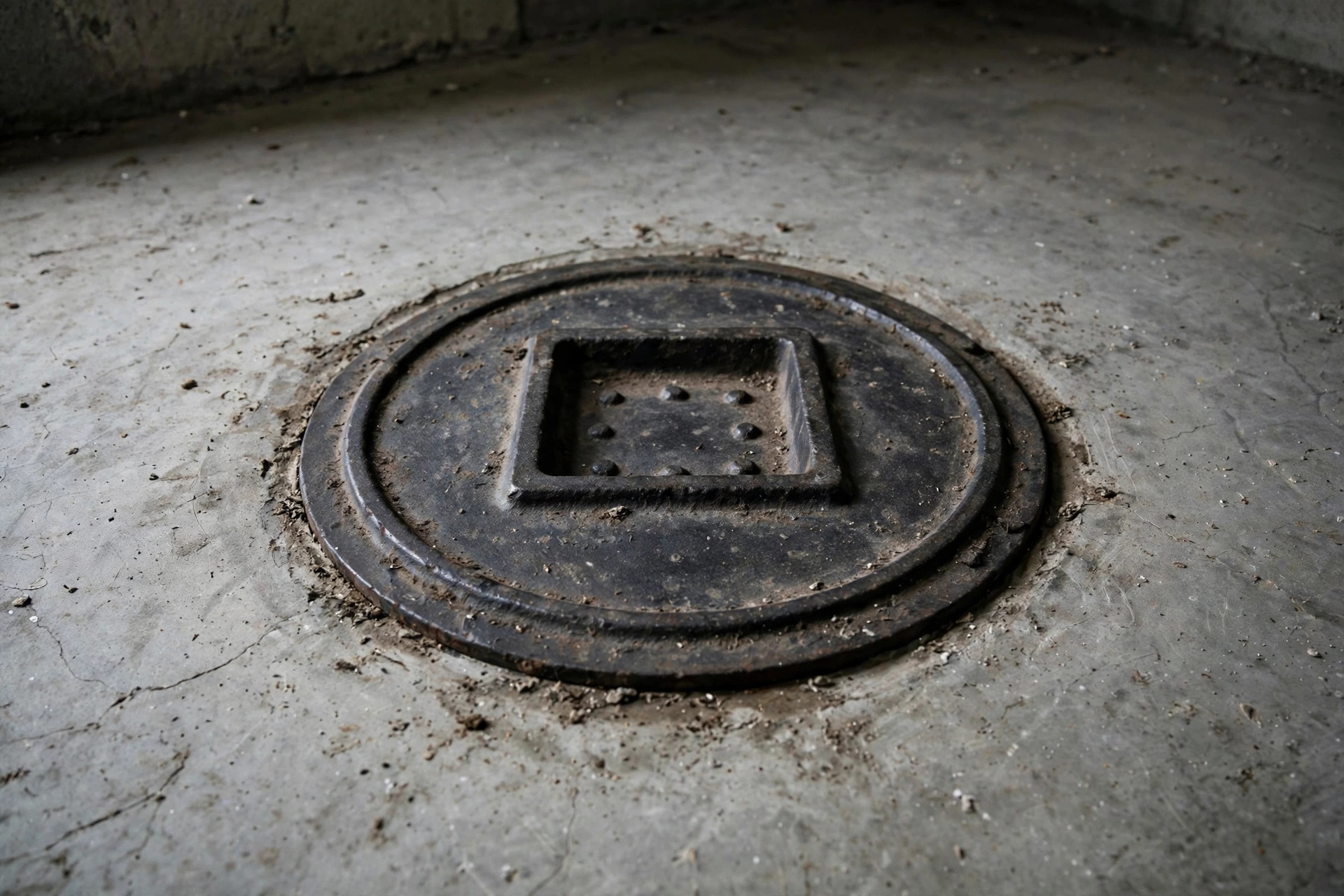
Check the basement floor for a round metal or plastic cap, usually near where the main stack comes down.
Look just outside the foundation wall, sometimes inside a small plastic access box.
Check the crawlspace or utility area, where ranch homes without basements sometimes hide the cleanout.
Confirm the cap unscrews or lifts off, and do not confuse it with a sprinkler valve box.
Mark the spot and show every adult in the house, so nobody hunts for it in an emergency.
What If My Home Does Not Have One?
This is common in Ohio. Many homes built before 1960 were never fitted with an outdoor cleanout, and basement access points may have been concreted over during renovations. If you cannot find one, a plumber can confirm: they will trace the line and tell you whether a cleanout exists and where.
Installing one is a routine job: a sewer cleanout installation typically means exposing a section of the line, cutting in a tee fitting with a riser and cap, and backfilling. Call 811 before any digging so buried utilities get marked; it is a free service, and you can learn how it works at call811.com. The work depends on the line's depth and location, a shallow yard line is straightforward, while a deep line or one under concrete takes more work. Our guide covers the factors that move sewer project process. If your home lacks a cleanout and your line is aging, installing one before you need emergency service is one of the smartest small investments you can make.
Installing one is a routine job: a sewer cleanout installation typically means exposing a section of the line, cutting in a tee fitting with a riser and cap, and backfilling. The work depends on the line's depth and location, a shallow yard line is straightforward, while a deep line or one under concrete takes more work. Our guide covers the factors that move sewer project process. If your home lacks a cleanout and your line is aging, installing one before you need emergency service is one of the smartest small investments you can make.
Many older Ohio homes have the cleanout in the basement floor: a round plate set right into the concrete.
Can My Cleanout Freeze in an Ohio Winter?
No. The sewer line runs well below the frost line, so it does not freeze. A cap sitting at grade can crack from lawn mower hits or age, and snow can bury it out of sight. Walk your yard in the fall and make sure the cap is intact, visible, and not buried under fresh mulch. Mark it before the first snow if it sits in the lawn. When a backup happens in January, the last thing anyone wants is to hunt for a cleanout under two requirementt of snow.
How Do I Keep My Cleanout Accessible Year-Round?
Three rules for cleanout owners. First, never build over it: no patios, sheds, or raised beds on top of your cleanout. Second, never seal it shut with paint or caulk; the cap needs to come off. Third, know where it is before you need it. Show every adult in the house. When sewage is backing up into the basement, "I think there is a cap somewhere in the side yard" wastes the minutes that matter. Homeowners across Columbus, Cincinnati, and Youngstown call us in emergencies every year, and the calls go faster when the cleanout is already located and clear.
Sewer Cleanout FAQs
You can, but stand to the side and be ready to step back. If the line is blocked, sewage under pressure can be waiting behind the cap, and it will come out fast when you loosen it. Most homeowners are better off letting a technician open it during a service call. Never open a cleanout during an active backup without a professional present.
At minimum, one full-size cleanout on the main line, ideally outdoors near the house or in the basement where the line exits the foundation. Longer runs to the street sometimes have a second cleanout midway, and there may be smaller cleanouts on branch lines indoors. One good, accessible outdoor cleanout covers most residential needs.
Ohio plumbing code generally requires cleanouts at specified locations in new construction, but requirements and enforcement vary by municipality, and older homes are usually grandfathered under whatever code was in force when they were built. That is why so many pre-1960 Ohio homes have none. When in doubt, check with your local building department.
A properly capped cleanout should not smell at all. If you notice sewer gas around a cleanout, the cap may be loose, cracked, or missing its seal, which is a simple fix. A persistent odor with a tight cap can mean a venting problem elsewhere in the system, and that is worth a service call.
It happens all the time: mulch beds, flower gardens, and patios get built right over cleanouts. It is legal to cover, but it defeats the purpose. If you cannot find your cleanout in an emergency, the technician wastes time digging for it or pulls a toilet instead. Keep it visible, mark it, and leave it accessible.
No Cleanout? We Install Them Across Ohio.
A cleanout installation is a small job that makes every future sewer service faster and simpler.