Orangeburg Pipe: The Ticking Time Bomb Under Ohio Homes
It was simple, it was everywhere in post-war Ohio, and it was never meant to last this long. If your home was built between 1945 and 1972, here is what you need to know.
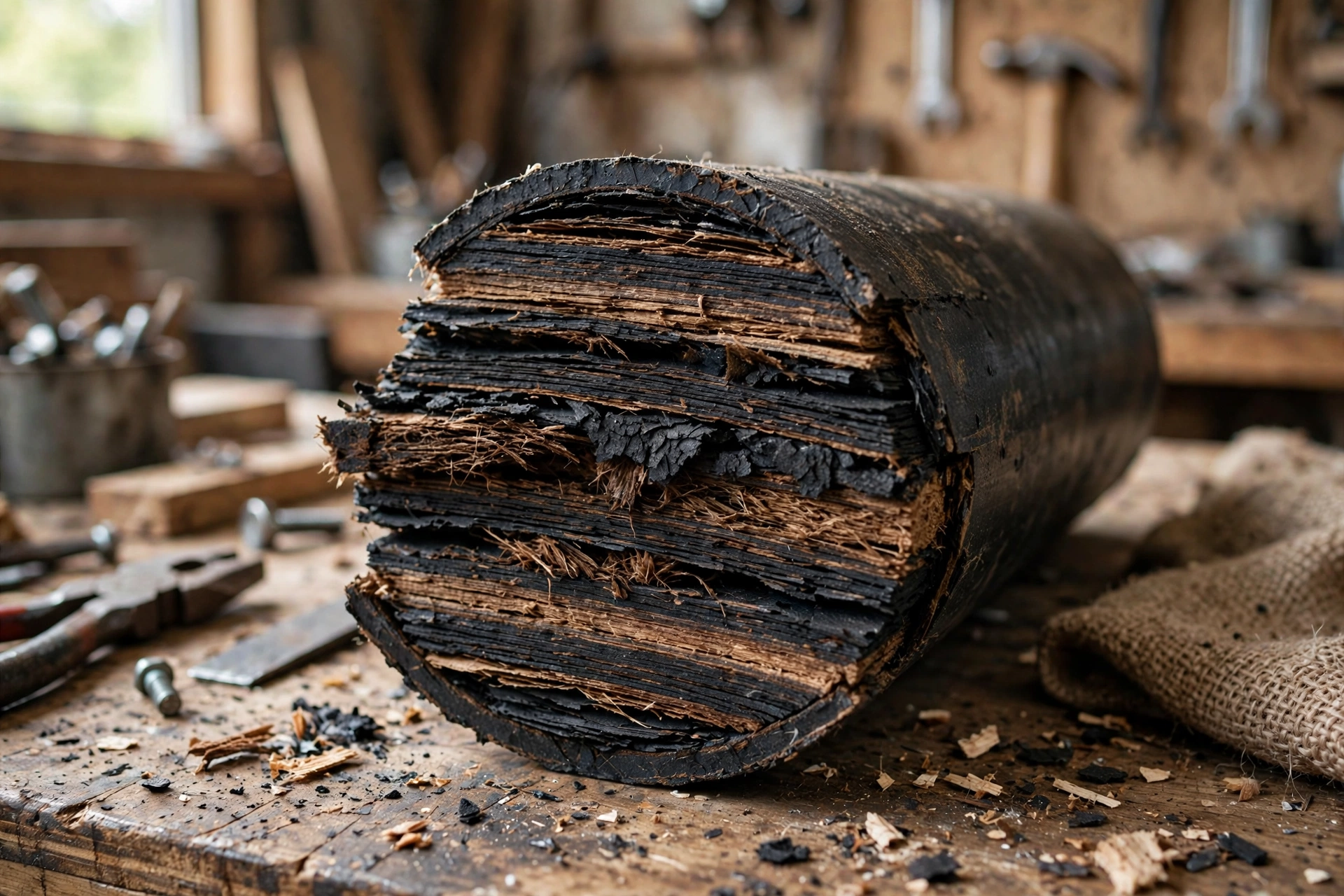
Orangeburg pipe is made of bituminized fiber: layers of wood pulp pressed together and impregnated with coal tar. It was developed as a simple alternative to metal pipe during wartime material shortages, and it stayed popular with builders from about 1945 through 1972 because it work a fraction of cast iron or clay tile. The name comes from Orangeburg, New York, where the main manufacturer was based.
Post-war Ohio is full of it. The ranch subdivisions built around Cleveland, Columbus, Dayton, and Akron in the 1950s and 1960s went up fast and simple, and Orangeburg was the sewer pipe of choice for builders keeping things simple. If your home is a mid-century ranch or a post-war Cape Cod, there is a real chance your sewer lateral is made of glorified tar paper.
Why Is Orangeburg Pipe Called a Ticking Time Bomb?
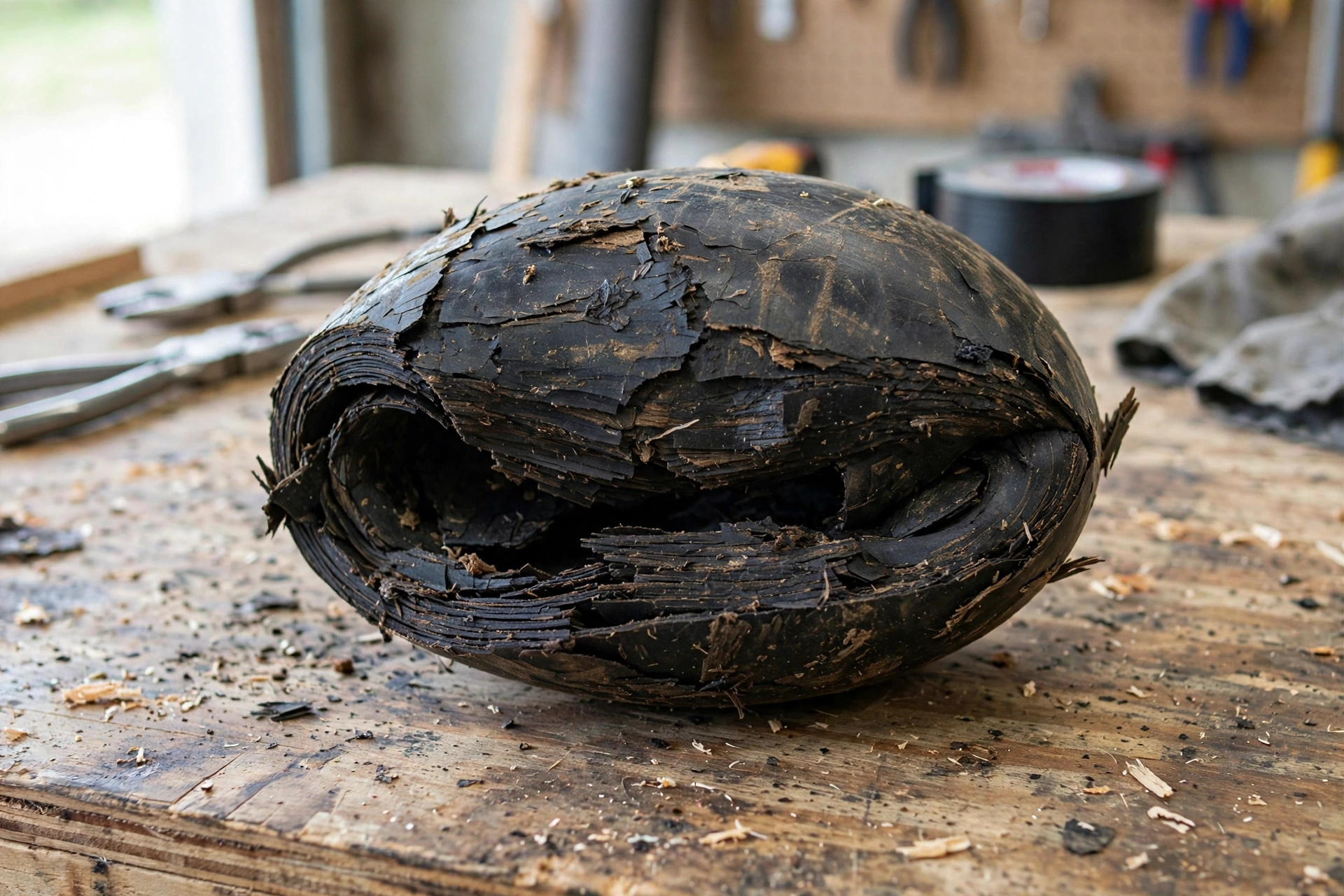
Because it can look fine until the day it suddenly is not. The problem is built into the material: Orangeburg absorbs water over time. As it does, it softens, and the weight of the soil above slowly crushes the pipe out of round, deforming it into an oval or egg shape. The interior blisters and delaminates. Eventually the pipe flattens, cracks, or collapses outright. Industry sources generally cite a 30–50 year lifespan, which means every Orangeburg line in Ohio is now past its expected end, many by decades.
This is not a slow, graceful decline. Orangeburg can go from "draining fine" to "fully collapsed" faster than clay or cast iron, because the failure mode is structural crushing rather than gradual corrosion. That is the ticking time bomb: a pipe that looks okay until the day it does not, and then you are dealing with a sewage backup instead of a planned repair.
Orangeburg is wood pulp soaked in tar. It absorbs water, softens, and crushes under soil pressure over the decades.
How Can You Tell If Your Home Has Orangeburg?
Start with the calendar. If your home was built between 1945 and 1972, Orangeburg is on the table. Homes built before 1945 are usually clay tile or cast iron; homes built after 1972 are usually plastic. The construction date is your first filter, not your answer.
The definitive answer comes from a sewer camera inspection. Orangeburg has a distinctive look on camera: dark, layered fiber, often visibly deformed, completely unlike clay tile's segmented joints or cast iron's rust. A technician recognizes it in seconds. Two more clues: city building or permit records sometimes name the pipe material, and in a subdivision built all at once, your line is probably the same material as your neighbors'. If the house next door just replaced Orangeburg, assume yours is too until a camera says otherwise.
What Are the Warning Signs of Failing Orangeburg?
Orangeburg failure has a recognizable pattern. Watch for:
Slow drains throughout the house. Not one sink, but everything, getting gradually worse. The pipe is flattening and flow is restricted.
Clogs that come back weeks after snaking. The cable punches through the softened pipe wall area, then the deformation closes back in. Recurring blockages in the same line are a classic Orangeburg signature.
Gurgling and sewer odors. Deformed pipe traps air and slows flow, and cracks let gases escape.
Soggy or sunken spots in the yard along the line's path to the street, where the pipe has cracked and is leaking.
One important note: do not let anyone aggressively snake an Orangeburg line without a camera check first. The cable can punch straight through a softened, deformed wall and turn a repairable line into a collapsed one. Sewage leaking into soil is an environmental problem as well as a plumbing one; in Ohio, Ohio EPA is the state agency overseeing water quality.
Can Orangeburg Be Saved?
Honestly, almost never. Pipe lining needs a host pipe that still holds its round shape, and deformed Orangeburg does not qualify: a liner cannot reliably bond to or reshape crushed fiber pipe. Spot repairs are a bad bet too, because the repaired section is new while the rest of the line is the same age and failing at the same rate. Homeowners who spot-repair Orangeburg usually end up handling for the full replacement a year or two later anyway.
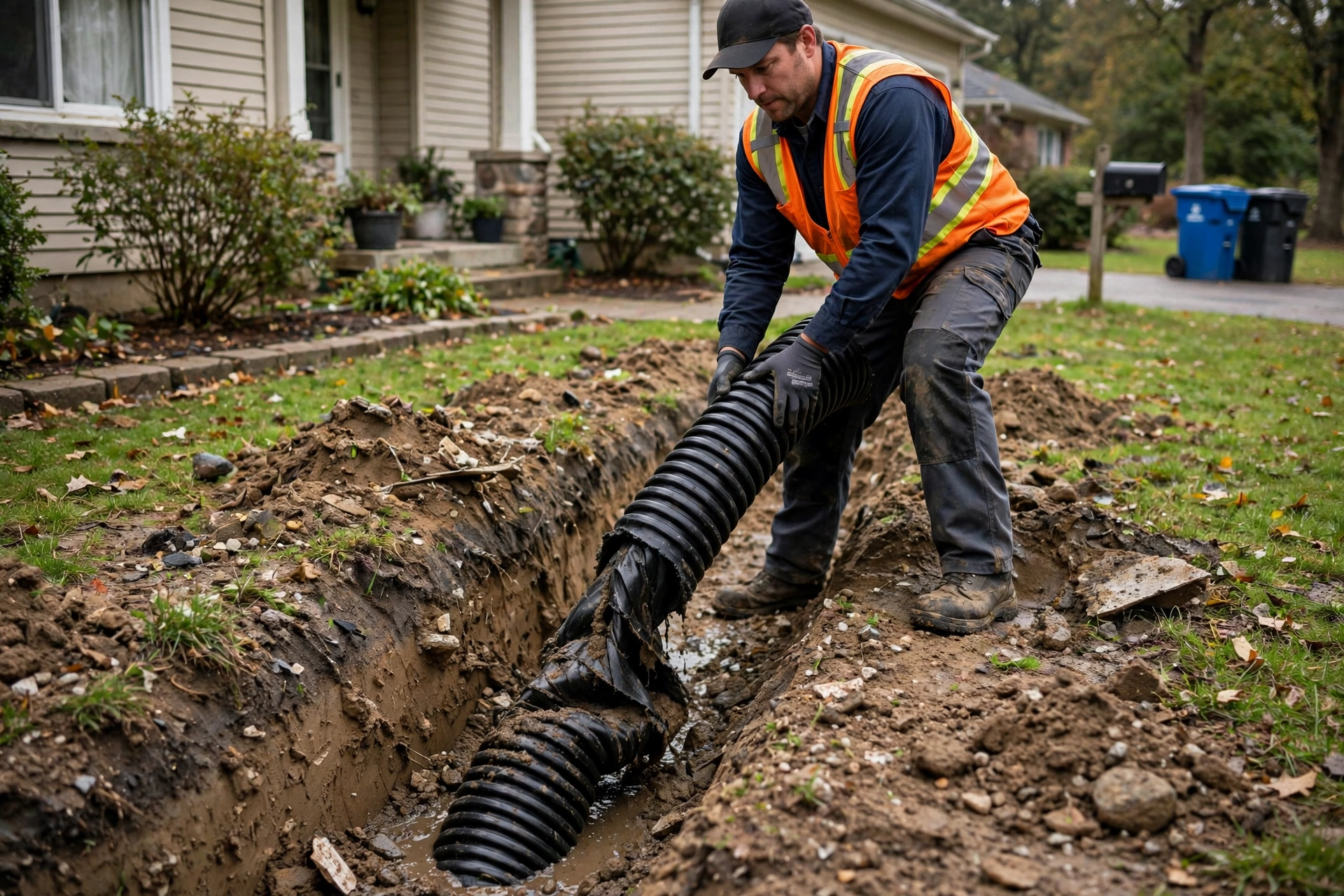
The standard fixes are pipe bursting, which fractures the old fiber pipe outward while pulling a new HDPE pipe through the same path, or traditional open-trench replacement when access is poor or the line is fully collapsed. Both end with a modern pipe that will outlast the house. If the job involves digging, your contractor should call 811 (call811.com) to have utilities marked before work starts. For honest numbers on what the project involves, see our Ohio sewer line repair guide.
Here is how Orangeburg stacks up against the modern pipe that replaces it:
Feature
Orangeburg
Modern replacement pipe
What it is
Bituminized fiber: wood pulp soaked in coal tar
PVC or HDPE plastic pipe
Cited lifespan
30–50 years, now past its expected end
75–100+ years for PVC
How it holds up
Absorbs water, softens, deforms, and collapses
Resists corrosion and roots; continuous or solvent-welded joints
Repair outlook
Lining rarely works; spot repairs usually fail
This is the fix: bursting or digging ends with new pipe
When Orangeburg fails, it comes out in softened, crushed pieces. Replacement is the fix that lasts.
What Should You Do Right Now?
If your home was built between 1945 and 1972 and you have never had the sewer line inspected, schedule a camera inspection. It is the only way to know whether you have Orangeburg and what shape it is in. If the camera shows a deformed line, do not wait for the backup: plan the replacement on your schedule, when you can get plans and choose your contractor, instead of in an emergency when you cannot. And if you are buying a post-war Ohio home, make the sewer scope non-negotiable in your inspection period. Finding Orangeburg before closing is a negotiating tool; finding it after closing is just a bill.
Orangeburg Pipe FAQs
The pipe material itself is not toxic. The danger is what happens when it fails: cracked or collapsed Orangeburg leaks raw sewage into the surrounding soil, and a full collapse sends sewage backing up into the home. The risk is property damage and unsanitary backups, not the material itself.
Rarely. Pipe lining needs a pipe that still has its round shape, and Orangeburg typically deforms into an oval or flattened egg shape as it ages. A liner cannot reliably bond to or reshape a deformed fiber pipe. In most cases, replacement by pipe bursting or traditional digging is the fix.
A sewer camera inspection gives the definitive answer: Orangeburg has a distinctive dark, layered fiber look on camera that a technician recognizes immediately. Your home's age is the first clue, 1945 to 1972 construction. City permit records and neighbors in the same subdivision can also confirm it.
It depends on the line's condition, but it is worth considering. A buyer's sewer inspection will find failing Orangeburg, and it often kills deals or triggers big plan reductions. Proactively replacing it lets you control the work and timing, and a new line is a genuine selling point for a post-war home.
Yes, if the 2005 work was only a spot repair or a clearing. Many older repairs addressed one bad section and left the rest of the Orangeburg in place, and that remaining pipe is now 60-plus years old. Only a full camera run of the entire line can tell you what is actually down there today.
1945–1972 Home? Find Out What Is Under Your Yard.
One camera inspection tells you if it is Orangeburg, what shape it is in, and what your options are.