Does Homeowners Insurance Cover Sewer Line Repair in Ohio?
The short answer is usually no, but the full answer has two endorsements that change everything. Here is what standard Ohio policies exclude, what service line and sewer backup coverage actually do, and what to do before your line fails.
Does Homeowners Insurance Cover Sewer Line Repair in Ohio?
A standard Ohio homeowners policy usually does not cover sewer line repair. Wear and tear, aging pipe, ground settling, and root intrusion, the four most common reasons a line fails, are standard exclusions. There are two important exceptions: a service line endorsement that covers the line itself, and a sewer backup endorsement that covers damage when sewage comes back into the house. Neither comes with a standard policy. Both are simple to add, and both are useless if you buy them after the failure.
One caution before we go further: insurance policies vary, and this guide explains how the coverage types work, not what your specific policy says. Check your declarations page or call your agent. The truth is in your exclusions section, not in a blog post.
What Does a Standard Ohio Policy Exclude?
Homeowners insurance covers sudden, accidental damage: fire, wind, a tree falling on the roof. A sewer line failing after forty years in clay soil is the opposite of sudden. Standard policies exclude it under wear and tear, deterioration, and settling. Root intrusion gets excluded as gradual damage and as a maintenance issue, since roots entering clay tile joints is predictable and preventable with maintenance. Corrosion of old cast iron, collapsed Orangeburg, and bellies from soil settlement all fall under the same exclusions. If the failure took years, the policy almost certainly does not handle the pipe.
The narrow exception is a sudden covered event: say a contractor's excavator crushes your line, or a vehicle drives over your yard and collapses a shallow section. Then the resulting damage may be covered as accidental. But age, roots, and settling, which cause the vast majority of Ohio sewer failures, are out.
What Is Service Line Coverage?
Service line coverage is an endorsement, an add-on to your homeowners policy, that covers repair or replacement of buried utility lines running to your home: sewer lateral, water line, and sometimes electrical and gas. It covers exactly the failures the standard policy excludes: wear and tear, age, root intrusion, and corrosion. Many Ohio insurers offer it as an add-on, with coverage limits per occurrence.
For Ohio homes this endorsement punches above its weight. The state's housing stock is old, clay tile and cast iron laterals are everywhere, and a full replacement runs $3,000 to $12,000 or more (see our Ohio guide). A small annual amount against a major risk is simple math, especially if your line has never been inspected and you do not know what pipe you have. Ask your agent whether your carrier offers it, what the per-occurrence limit is, and whether excavation and restoration are included or just the pipe. The Insurance Information Institute (iii.org) explains how service line endorsements work if you want background before the call.
What Is Sewer Backup Coverage?
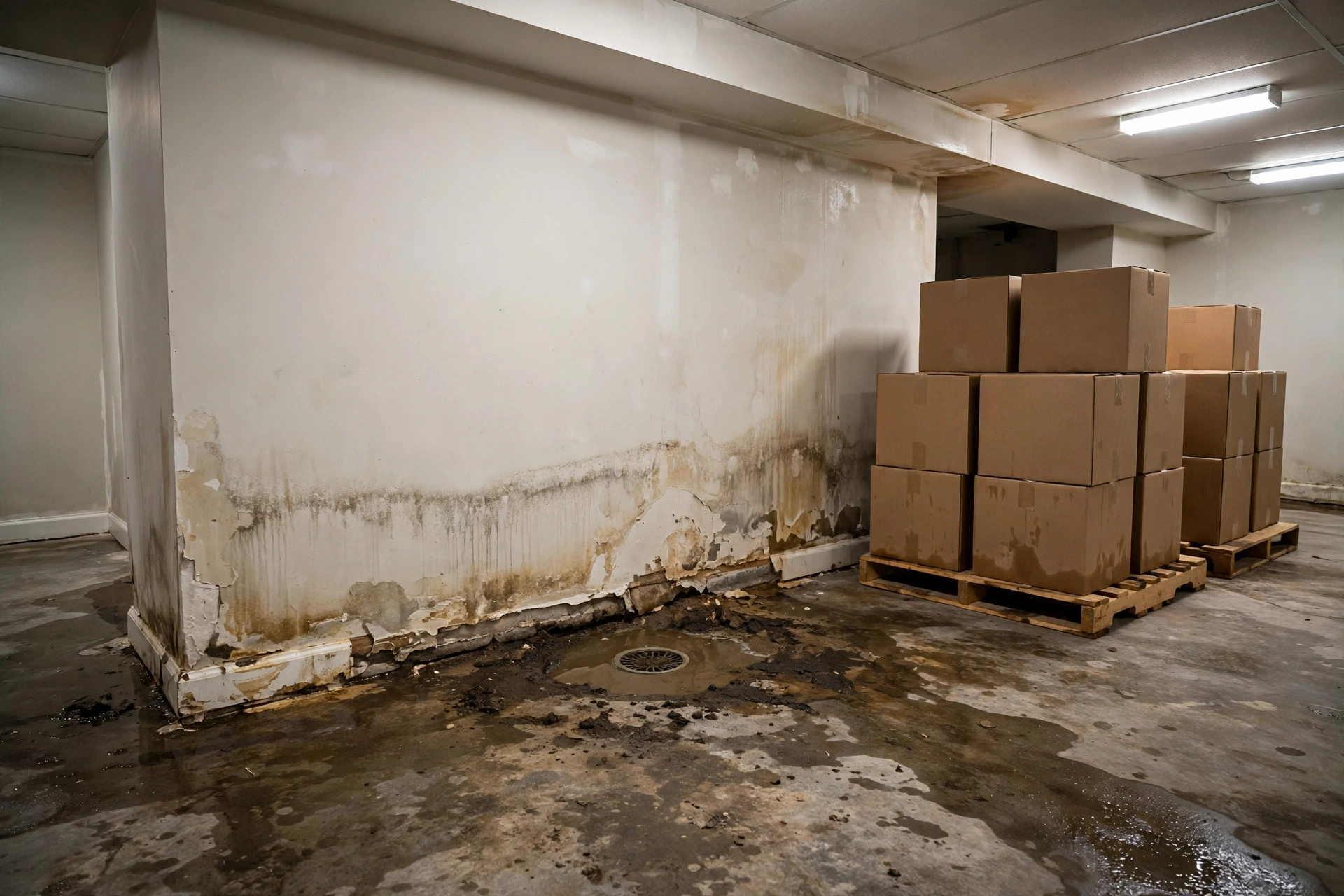
Sewer backup coverage is a separate endorsement that covers the damage a backup causes inside your home, not for repairing the line itself. When sewage backs up through a floor drain or toilet, it covers cleanup, damaged flooring and drywall, and ruined belongings. It does not handle to fix the broken pipe that caused the backup. That is what service line coverage is for. The two endorsements are sold separately, and a surprising number of homeowners carry one but not the other.
In Ohio this one matters more than in many states. Most Ohio homes have basements, and the basement floor drain is the lowest point in the house, which makes it the first place a backup appears. Older cities like Cleveland and Cincinnati still have combined sewers in older neighborhoods, where heavy rain can overwhelm the system and push sewage back toward homes. If you have a basement, ask your agent about this endorsement by name. If a backup is happening right now, call us right away at (614) 350-5706: every hour of standing sewage makes the damage worse.
Coverage type
What it generally covers
Key limitation
Standard homeowners policy
Sudden, accidental damage, like fire or a line crushed by a covered event
Excludes wear and tear, age, settling, and root intrusion; covers nothing for a worn-out line
Service line endorsement
Repair or replacement of buried utility lines, including the sewer lateral, from wear, age, roots, and corrosion
Separate add-on with its own limit, typically in the thousands; cannot be bought after the failure
Sewer backup endorsement
Cleanup and damage to belongings and finishes when sewage backs into the home
Covers the damage, not the pipe repair; sold separately from service line coverage
Policies differ, so check your policy and talk to your agent before assuming any of this applies to you. The Insurance Information Institute publishes homeowner explainers on both endorsements at iii.org.
Sewer backup coverage covers this damage. Service line coverage covers the broken pipe that caused it. They are separate endorsements.
What About the Part of the Line Under the Street?
Here is the question that surprises Ohio homeowners: in most Ohio municipalities, you own the lateral from your house all the way to the city main, including the section under the sidewalk and the street. The city maintains the main. You maintain everything that connects to it. That means the most major part of a replacement, the deep section under pavement, is usually yours, not the city's.
The exact handoff point varies by city, and some municipalities share work for the portion in the public right-of-way, but those programs are the exception. If your repair will cross the sidewalk or street, confirm the rules with your city's public works or engineering department before work starts. And check whether your service line endorsement covers the right-of-way portion: most do, but confirm the limit.
What Should Ohio Homeowners Do Right Now?
Three things, in this order, before anything fails:
Read your policy. Look at the declarations page for service line and sewer backup endorsements. If they are not listed, you do not have them.
Call your agent. Ask what each endorsement work, what the limits are, and whether there is a waiting period. Add them if the numbers make sense for your home's age.
Get a camera inspection. Coverage protects you from the bill, but an inspection tells you whether the bill is coming. If the camera shows heavy root intrusion or a failing section, you can plan the repair on your schedule instead of the pipe's. A backwater valve is also worth discussing if your basement has flooded before.
Do all three while the line still works. Insurance is a time machine that only goes forward: it covers the failure you have not had yet, never the one you are having now.
If the line fails without coverage, the repair is out of pocket. Know your policy before that day comes.
Ohio Sewer Insurance FAQs
Standard policies usually do not. Wear and tear, age, settling, and root intrusion are standard exclusions on most Ohio homeowners policies. Coverage typically only applies if you carry a service line endorsement or if the damage came from a covered sudden event. Read your policy or call your agent; the answer is in the exclusions section.
Service line coverage is an endorsement that covers repair or replacement of buried utility lines, including your sewer lateral, when they fail from wear, age, or root intrusion. Many Ohio insurers offer it as an add-on with coverage limits per occurrence. For homes with old clay or cast iron lines, it is one of the most useful protections you can get.
Only if you carry sewer backup coverage, a separate endorsement from service line coverage. It covers cleanup and damage to your belongings when sewage backs into the home, not for repairing the line itself. In Ohio, where many homes have basements and older cities have combined sewers, this endorsement earns its keep.
No. Endorsements cover future failures, not existing ones, and insurers will ask about known problems when you apply. This is the coverage you buy years before you need it. If your line is already failing, the repair is out of pocket, which is why a camera inspection now matters more than a policy later.
Under a standard policy, no: root intrusion is considered gradual damage and maintenance, which policies exclude. With a service line endorsement, root-related failure is typically covered up to the endorsement limit. Without it, root damage is one of the most common out-of-pocket sewer repairs in Ohio.
Wondering What Shape Your Line Is In?
A camera inspection shows you exactly what you have underground, so you can plan coverage and repairs before either becomes urgent.