Sewer Line Repair in Twinsburg, OH
Twinsburg is famous for Twins Days, but its 1960s to 1980s subdivisions are famous with us for aging pipe. We camera-diagnose every lateral and fix it trenchless or traditional.
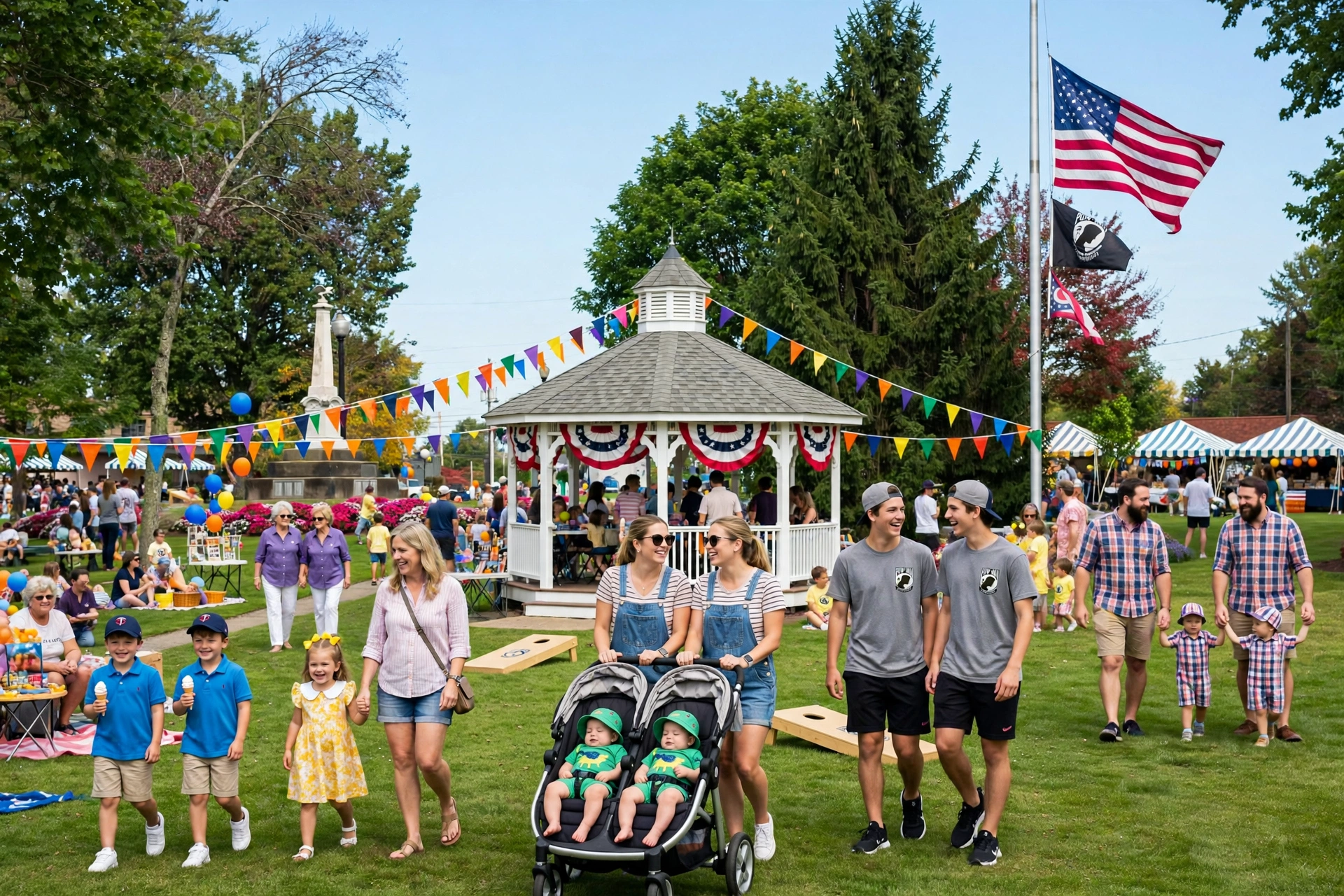
Twinsburg is famous for Twins Days, but its 1960s to 1980s subdivisions are famous with us for aging pipe. We camera-diagnose every lateral and fix it trenchless or traditional.
Last updated: October 13, 2026
Twinsburg's big growth came in the 1960s through the 1980s, and that pipe is hitting failure age right now.
The city is named for twins Moses and Aaron Wilcox, early settlers. The housing story that matters for sewer lines is the subdivision boom along the I-480 corridor: thousands of homes built from the 1960s through the 1980s, right in the era of cast iron transitions, clay tile, and Orangeburg.
That mix is aging out on schedule. Cast iron rusts from the inside out. Clay tile joints separate as the soil moves. And Orangeburg, the tar-paper pipe used in some 60s and 70s builds, flattens into an oval under soil pressure and eventually collapses. If your Twinsburg home is from this era and the drains are failing, the camera will tell us which material you're dealing with in about an hour.
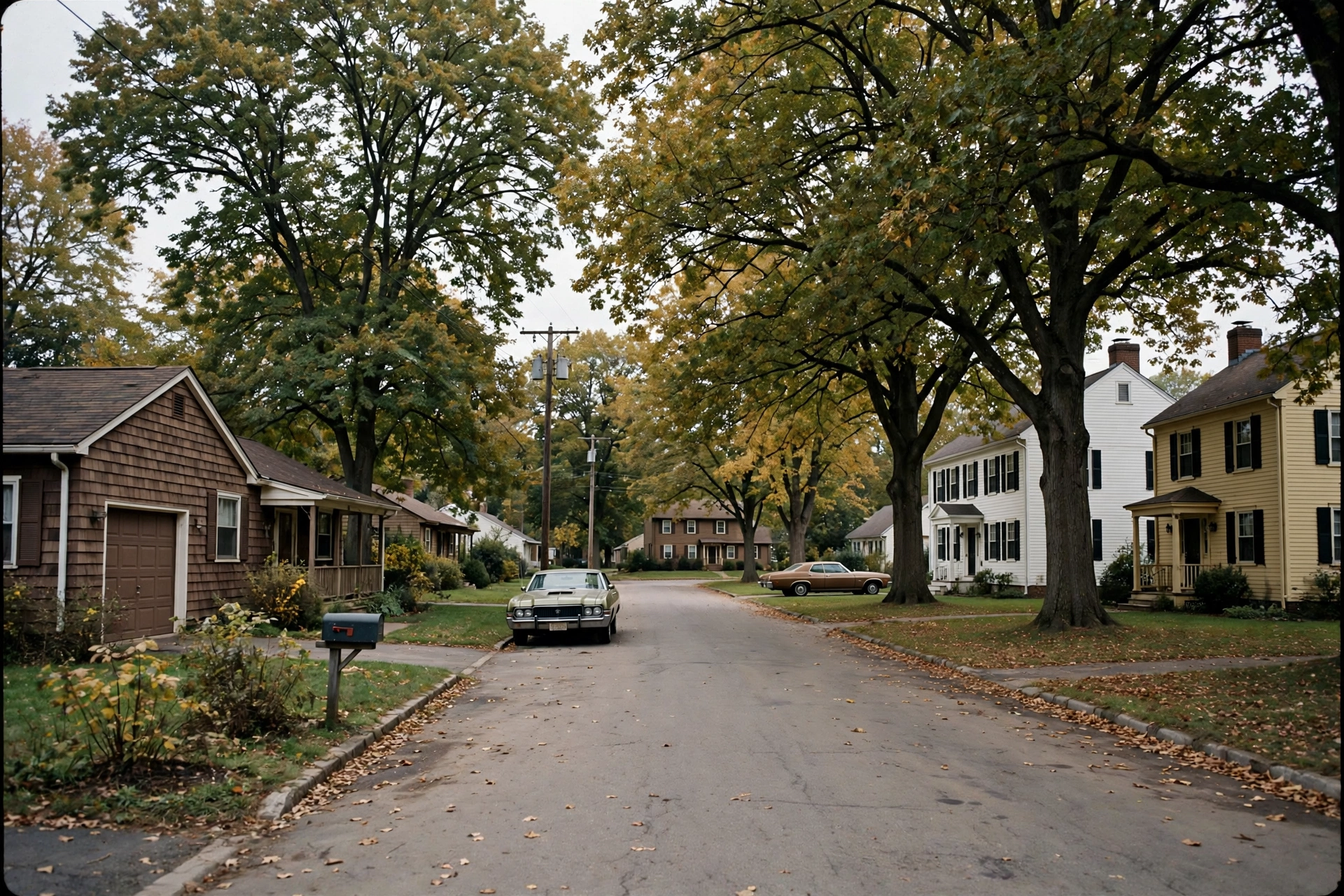
Twinsburg's 1960s to 1980s subdivisions are hitting the age where cast iron and Orangeburg give out.
Glacial clay and dozens of freeze-thaw cycles per winter do the slow work of destruction.
Twinsburg sits on the same glacial clay as the rest of the metro: it swells when wet and shrinks when dry, so the ground around the pipe never sits still. Every winter delivers dozens of freeze-thaw cycles, and each one works the same way: water seeps into hairline cracks and mortar joints, freezes, expands with tremendous force, and wedges the crack wider. Then it thaws, loose soil washes in, and the next freeze starts from a worse position.
The damage clusters in late winter and early spring, when the ground thaws from the top down while deeper soil stays frozen and hydrostatic pressure peaks. Drains that slow every year around the same time are showing you this cycle. Our trenchless sewer repair options fit Twinsburg's housing stock well: lining for cracked but sound pipe, bursting for Orangeburg and collapsed lines.
The older sections near the town square carry the city's oldest clay tile laterals with mature trees and the standard root-intrusion story. The 1960s to 1980s subdivisions, the bulk of the city, are where cast iron and Orangeburg failures cluster. The newest builds mostly need joint repairs from ground settling rather than full replacements.
You'll find us working all over Twinsburg, from the neighborhoods around the Town Square to the streets near Liberty Park and the Cleveland Clinic Twinsburg Family Health and Surgery Center. Wherever the lateral runs, the process is the same: camera first, honest diagnosis, then the right fix.
Twinsburg's water comes from Cleveland's system, which reports hardness around 7 grains per gallon, moderately hard. In Twinsburg's 1960s to 1980s laterals, that mineral load gradually coats cast iron interiors already roughened by corrosion. Scale rarely kills a line on its own, but it narrows pipes and accelerates the blockages that send homeowners calling.
You own the sewer lateral from your house to where it connects with the public main, usually at the street or sidewalk. Everything in between, including the part under your yard and driveway, is your responsibility to maintain and repair. The city owns and operates its own wastewater treatment plant and bills sewer service directly. Details are on the city's sanitary sewer billing page.
A backup limited to your home points to your lateral, and that's our territory. Permits for lateral work run through the City of Twinsburg, with inspection typically required before backfill, and we pull the permits and schedule the inspection as part of every job. If backups are hitting several homes on the street, suspect the public main: the EPA's sanitary sewer overflow page explains how public-system failures send sewage back into homes. If your property has any special conditions, check with the city's building department before work begins.
Year-round attention is far simpler than one emergency dig. Spring means watching for infiltration after heavy rains, summer means keeping grease out of drains, fall means roots at their most aggressive and the best time for a camera check, and winter means keeping cleanouts accessible through freeze-thaw. Here is the rhythm we recommend for Twinsburg's 1960s to 1980s subdivisions.
The city is named for twins Moses and Aaron Wilcox, early settlers. Since 1976 it has hosted Twins Days, recognized by Guinness World Records as the largest annual gathering of twins in the world, drawing more than 2,000 sets of twins and multiples each year. The festival put Twinsburg on the map; its 1960s to 1980s subdivisions put its sewer lines on our schedule.
Possibly cast iron transitioning to clay tile, or in some 1970s builds, Orangeburg, a tar-paper pipe that flattens and collapses with age. Twinsburg's big subdivision growth happened right in the Orangeburg era. The camera shows exactly what material you have and whether it can be lined or must be burst.
Spring thaw plus glacial clay soil. As the ground thaws from the top down, water gets trapped above still-frozen soil, hydrostatic pressure peaks, and groundwater pushes into every cracked joint in your lateral. Recurring spring backups are the classic sign of infiltration.
The homeowner. In Twinsburg you own the lateral from your house to its connection with the public main, including the portion under your yard and driveway. The city maintains the public mains. A backup limited to your home is almost always a lateral problem.
Yes. The City of Twinsburg requires permits for sewer lateral repair and replacement, with inspection typically required before backfill. We handle the permits and schedule inspections as part of every job.
Also serving Hudson, Stow, Tallmadge, Macedonia, Aurora, Solon, and Reminderville. Twinsburg's ZIP code is 44087. Ohio Sewer Masters works around major landmarks including Twinsburg Town Square, Liberty Park, and the Cleveland Clinic Twinsburg Family Health and Surgery Center.
Subdivision-era pipe, Orangeburg, or root invasion, one inspection shows what's really going on.
Call (614) 350-5706