Sewer Line Repair in Oregon, OH
Lake Erie shoreline, refinery row, and the flattest ground in Ohio. Oregon's high water table punishes weak sewer joints. We camera-diagnose every job and fix it trenchless or traditional.
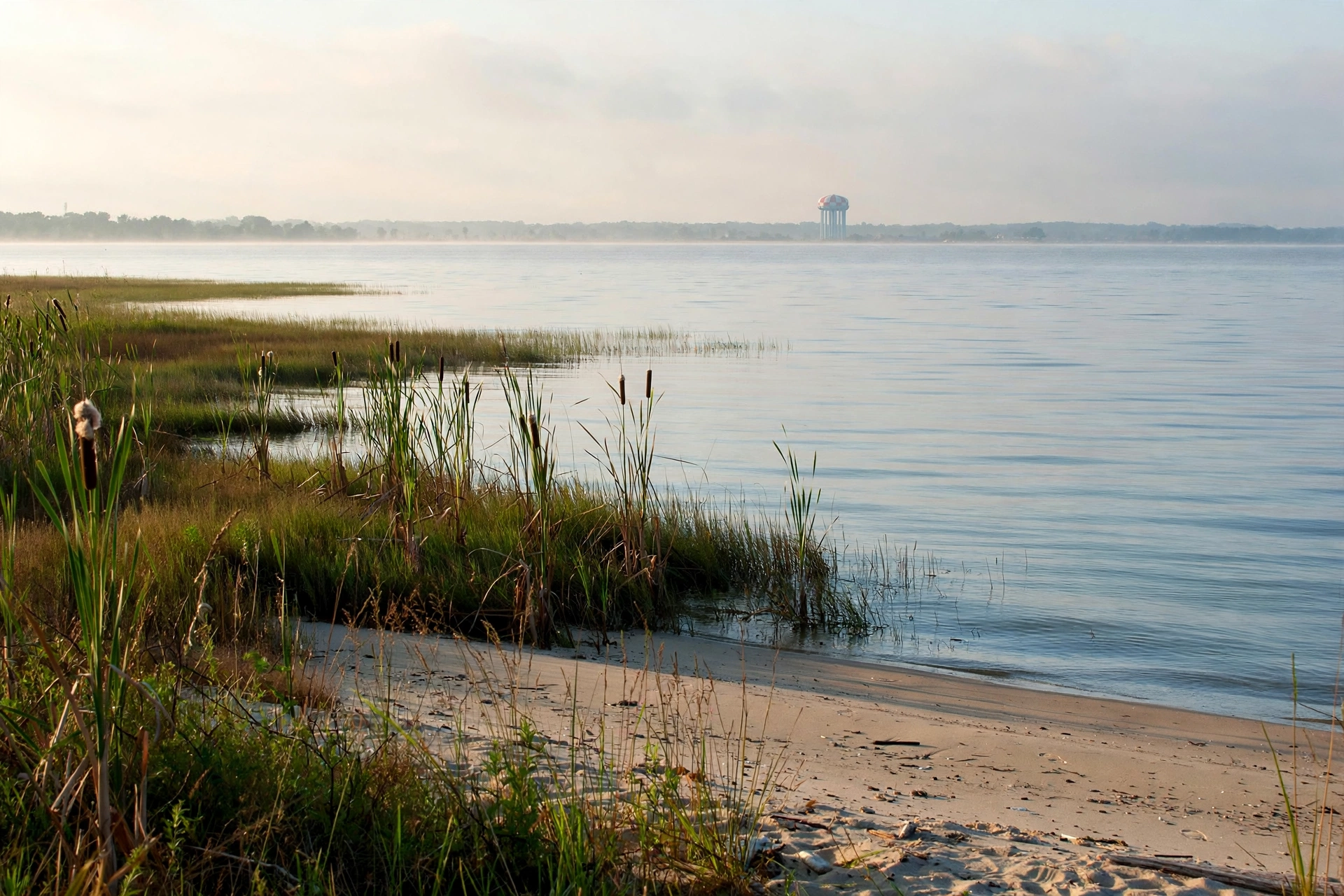
Lake Erie shoreline, refinery row, and the flattest ground in Ohio. Oregon's high water table punishes weak sewer joints. We camera-diagnose every job and fix it trenchless or traditional.
Last updated: October 13, 2026
Oregon sits on the Maumee Bay shoreline. In lakeside neighborhoods, the water table tracks the lake level, and that changes everything underground.
The whole city rests on the old lakebed: dense, slow-draining clay that holds water instead of moving it. Near the bay, the water table sits just a few requirementt down in wet seasons. Every cracked joint and separated connection in a sewer lateral becomes an open door for groundwater, and the line fills from the outside in. The pipe isn't broken by force; it's drowned by pressure.
Lake Erie's moods make it worse. A seiche, the wind-driven surge that sloshes the western basin higher during strong storms, can push the lake level up fast, and the shoreline water table jumps with it. If your drains slow down after a big blow on the lake, or your basement floor drain gurgles when the bay runs high, that's the connection. Sealing the cracks, by lining or replacement, is the only fix that lasts.
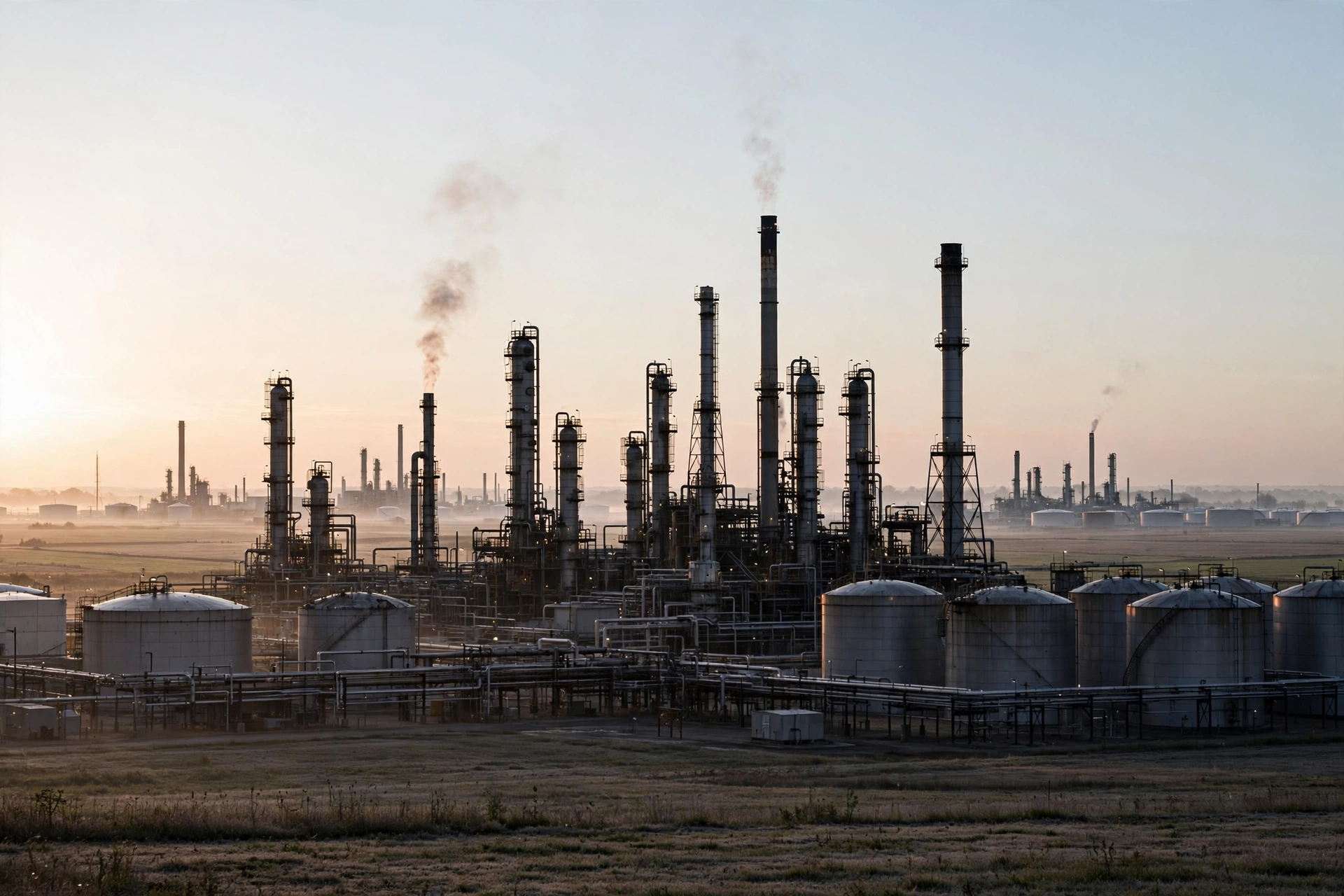
The refinery on Cedar Point Road has anchored Oregon's economy since 1919, and the worker homes around it carry century-old clay laterals.
Oregon grew up around industry. The refinery on Cedar Point Road has run since 1919, and the brick and clapboard homes built around it and along the Starr Avenue corridor in the 1920s through 1950s ran vitrified clay tile laterals from the foundation to the street. A century later, the mortar joints have crumbled, the sections have shifted in the flat clay soil, and the lines sit in some of the wettest ground in northwest Ohio.
Post-war neighborhoods add cast iron to the mix, rusting from the inside out until the bottom of the pipe is paper-thin. Whatever era your street was built in, the prescription is the same: the camera shows what's down there in about an hour. And because Oregon's saturated ground makes open-trench digging a dewatering headache, our trenchless sewer repair options are often the smarter play here.
Oregon treats its own water from western Lake Erie, the same mineral-rich source as Toledo. The lake's limestone bedrock loads the water with dissolved calcium and magnesium, and that mineral content leaves scale inside old clay and cast iron pipe, narrowing the bore and roughening the surface so grease and solids catch. In Oregon's saturated, low-slope ground, a narrowed lateral backs up that much faster.
Winter hits Oregon twice. First comes the freeze-thaw cycle: meltwater seeps into hairline cracks and mortar joints, freezes, expands, and wedges the crack wider, then thaws and lets soil wash in. Then comes the spring thaw, when the ground thaws from the top down while deeper soil is still frozen, water has nowhere to drain, and the water table spikes.
On Oregon's flat ground, laterals also run shallow with barely enough slope, so solids settle in low spots and small offsets become big blockages. Add a lake-level water table and freeze-thaw to shallow, low-pitch pipe, and you get the city's signature failure pattern: the line that worked all fall starts backing up in February and March. A fall camera inspection catches the cracks while they're still lining candidates.
Heavy storms are also when the region's older combined sewer systems are most stressed. These lines carry sewage and stormwater together, and when they are overwhelmed, untreated flow can reach local waterways, an issue the U.S. EPA explains on its combined sewer overflow page. Keeping your own lateral sealed keeps stormwater out of a system that is already working hard.
Water and wastewater service in Oregon is managed by the City of Oregon's Division of Water and Wastewater Treatment, under the Department of Public Service. For sewer lateral repair or replacement, permits run through the city, and an inspection is typically required before backfill. We pull the permits and coordinate the inspection as part of every job.
For utility accounts and service details, see the City of Oregon official website. If you are unsure which permits your project needs, check with the city's building department before work begins.
Oregon treats its own water from western Lake Erie, a mineral-rich source sitting over limestone bedrock. The dissolved calcium and magnesium leave scale inside old clay and cast iron pipe, narrowing the bore and roughening the surface so grease and debris catch. In a city where the water table already presses into every crack, a scale-narrowed pipe backs up faster, and a camera inspection shows what hydro jetting or a lining can fix.
Follow the seasons, not the calendar. In Oregon, the smart routine is a fall camera inspection before freeze season, close attention to drains during spring storms and high lake water, and keeping roots and grease out of the line all year. Here is how each season plays out:
Our crews cover the Oregon lakefront and Maumee Bay neighborhoods, the Starr Avenue corridor, the refinery-area streets, and the subdivisions near ProMedica Bay Park Hospital. You'll also find us out by Maumee Bay State Park, where shoreline homes fight the highest water tables in the metro. Our crews work across Oregon in ZIP codes 43616 and 43618, from the lakefront to the eastern neighborhoods.
Wherever the lateral runs in Oregon, the process is the same: camera first, honest diagnosis, upfront plan. Start from our Ohio homepage or see our neighbors in Toledo, Sylvania, and Perrysburg.
Oregon sits on the Maumee Bay shoreline, and in lakeside neighborhoods the water table tracks the lake level. When Lake Erie runs high, groundwater rises and presses into every cracked joint in your lateral, filling the line from the outside in. The fix is at the pipe: lining or replacement seals the entry points so rising groundwater stays outside the line.
Most likely vitrified clay tile with mortar joints. The brick and clapboard homes built around Oregon's industrial corridors in the 1920s through 1950s ran clay laterals from the foundation to the street. After nearly a century, the mortar joints crumble and sections shift in the flat clay soil. A camera inspection shows the condition, and many of these lines are good candidates for trenchless lining.
A seiche is a wind-driven surge that sloshes Lake Erie higher on one shore, and the western basin near Oregon sees it regularly during strong storms. When the lake level jumps, the water table in shoreline neighborhoods jumps with it, pushing groundwater into cracked laterals. If your drains slow down after a big blow on the lake, that's the connection.
The City of Oregon's Department of Public Service oversees the Division of Water and Wastewater Treatment, which runs the public sewers. If several homes on your street are backing up at once, the public main is the suspect, and the city needs to know. If only your home is affected, the blockage is most likely in your private lateral, and we can camera-inspect it the same day.
Yes, and it's often the better choice. Pipe lining and pipe bursting both work below the water table; in fact, trenchless avoids the dewatering headaches that open-trench digging faces in saturated ground. The camera inspection comes first either way, so we know exactly what the pipe looks like before choosing the method.
Also serving Toledo, Sylvania, Perrysburg, Northwood, and Lucas County. Landmarks we work around include Maumee Bay State Park, Pearson Metropark, the Veterans' Glass City Skyway, and ProMedica Bay Park Hospital.
One inspection, one honest diagnosis, one upfront plan, anywhere in Oregon.
Call (614) 350-5706